






.webp)




.webp)




.svg)
What is a Statement of advice template?
A Statement of advice is the document financial advisers produce after a client meeting that sets out the conversation, the goals, the current position, and what happens next. In Australia and New Zealand it's a Statement of advice (SoA). In the UK it's a Suitability Report. In the US it might be an Investment Policy Statement or a financial plan, depending on the practice. Different name, same job: a professional record of what was discussed and agreed.
Discovery meetings can be detailed. A two-hour conversation might cover four family members across three households, $12 million in assets, an outdated will, three different risk tolerances, and a trust deed that hasn't been reviewed since 2019. By the time the adviser sits down to write it up, the numbers have started to blur.
Contented builds the Statement of Advice straight from the recording, with every name, figure, property, trust, and quote captured exactly as it was discussed. Which means the adviser can spend the meeting actually listening, not scribbling.

How to use a Statement of advice template
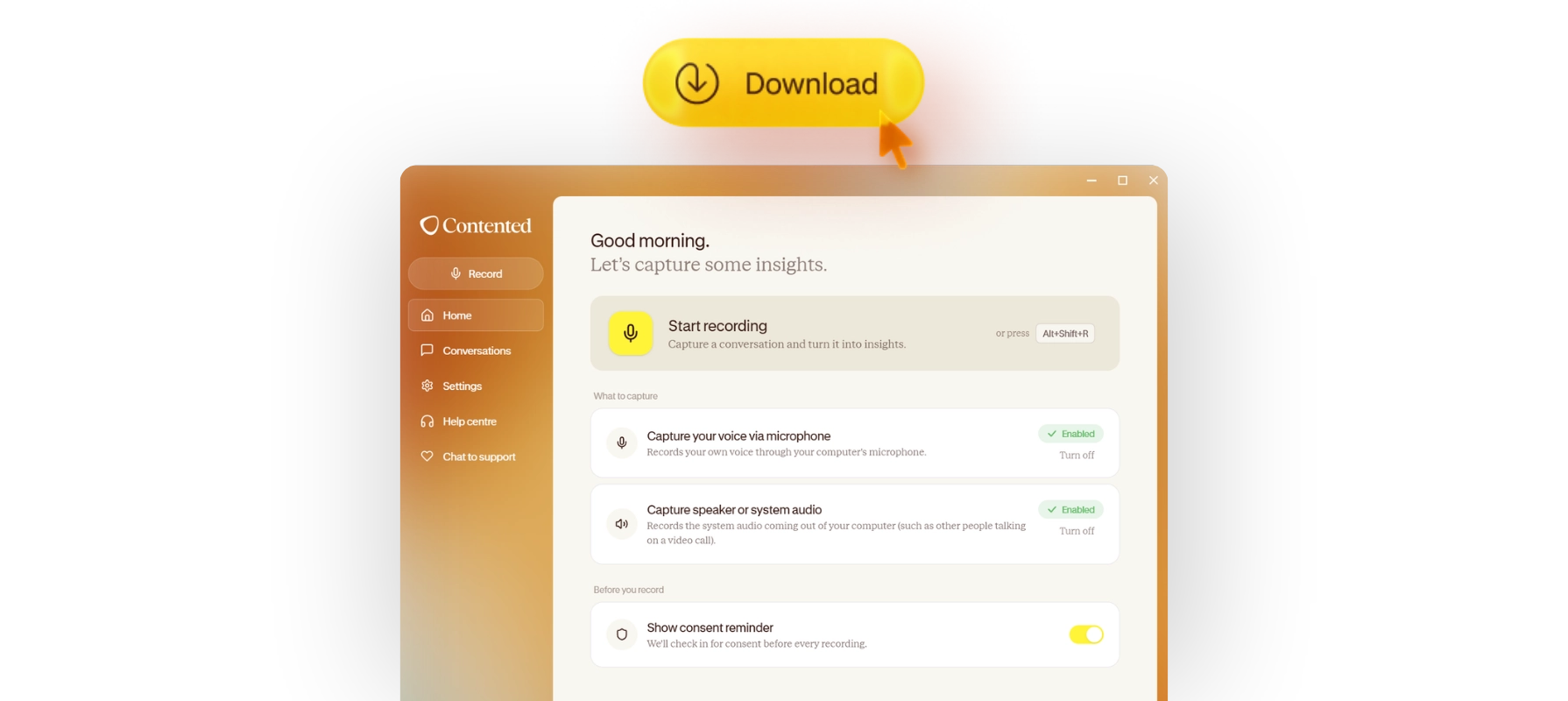
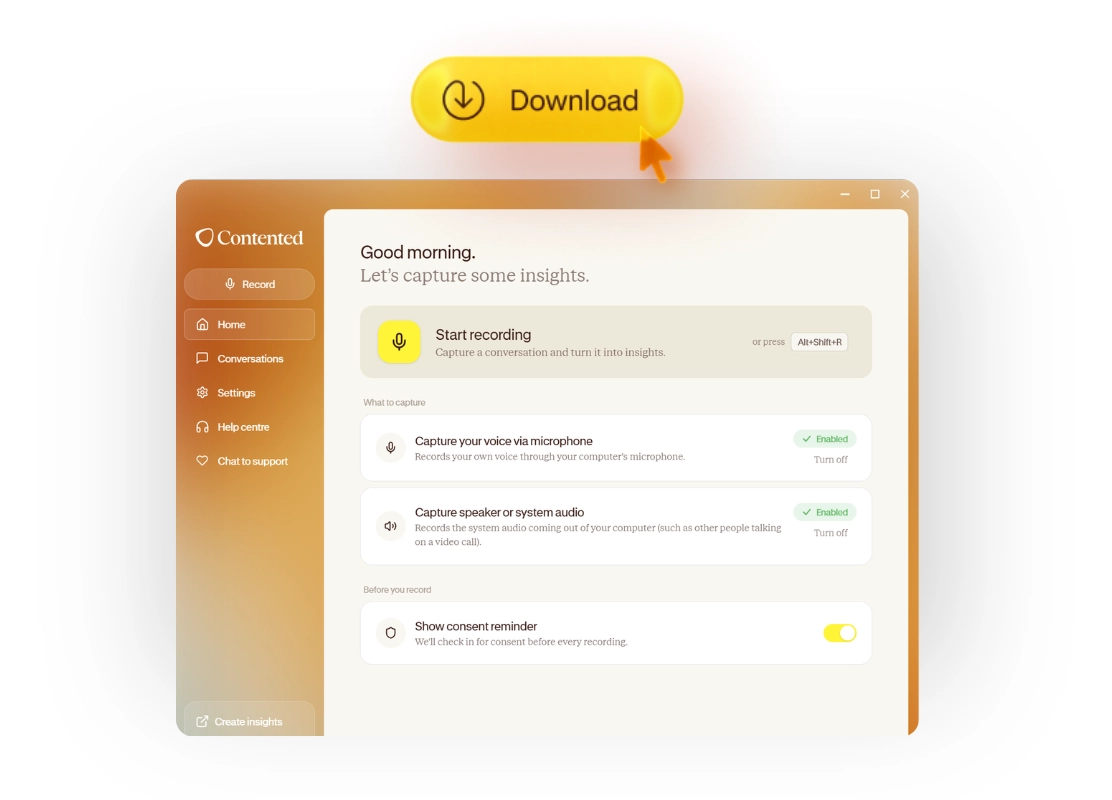
Record your client meeting in the Contented app, pick the Statement of advice template, and download a fully structured client document within minutes.
1. Record your conversation
Capture your client meeting in the Contented app. It's excellent for discovery sessions, annual reviews, family planning meetings, or any conversation where multiple stakeholders, assets, and goals are being discussed in detail.
2. Select the Statement of advice template
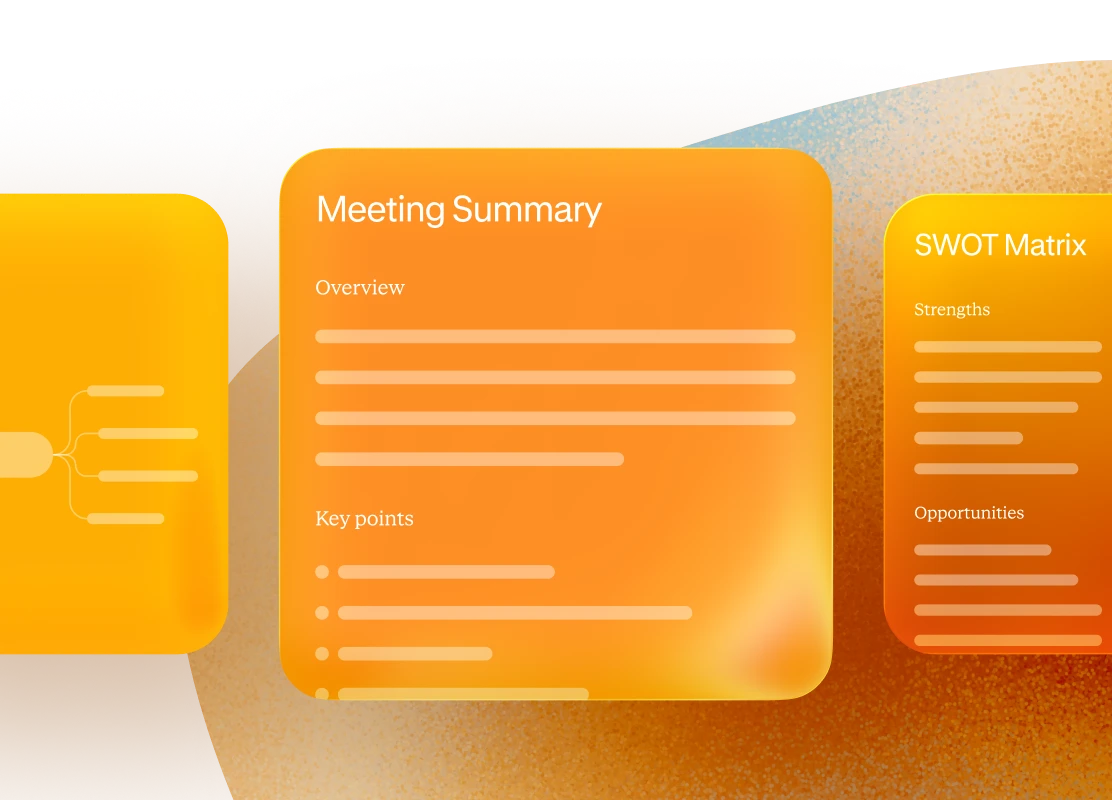
Choose Statement of advice from your Contented workspace. Contented organises the conversation into the standard sections: purpose and attendees, client priorities and goals, progress review and carry-forward actions, regulatory or legislative items raised, current portfolio and cash flow, risk tolerance, and advisory agreement. It also lists the documentation and actions required for the next meeting.
3. Review and export
Download as a PDF or Word document. File it on the client record, share with the client for confirmation, or use it as the foundation for the formal letter of engagement.
Who uses a Statement of advice?
Financial advisers, planners, and wealth managers who run discovery meetings and need to produce a comprehensive, accurate client document from what was discussed.
What's in a Statement of advice template?
- Meeting front matter: purpose, date, client names, adviser details, and a full list of attendees.
- Client priorities captured directly from the conversation, including what each person raised, in their own words.
- Goals broken out per household or family unit.
- Progress review and carry-forward actions covering trusts, estate documents, insurance.
- Legislative or regulatory items flagged where they came up, with the implications spelled out.
- Portfolio snapshot: current assets, income and cash flow, and risk tolerance assessment, with figures and direct quotes pulled from the discussion.
- Advisory agreement details: fee structure, scope of engagement, and service delivery approach.
- Documentation requested for the next meeting and immediate action items, with owners against each.
- Export-ready as PDF or Word, suitable for the client file or compliance record.
FAQs
Is Contented suitable for compliance documentation?
Yes. Contented is used by financial advice firms, law firms, and accounting practices to produce compliant, audit-ready records from client meetings. Industry-specific templates are co-designed with practitioners and structured to meet documentation standards. Custom templates can be built to match your firm's exact compliance format.
Can we use our own document templates?
Yes, on team plans. We build custom templates that match your organisation's existing formats, branding and terminology. Every document Contented produces is then consistent with what your team already uses, regardless of who created it.
Can we set data retention policies to meet our compliance requirements?
Yes. Contented supports user-configured retention policies, so your organisation can set specific timeframes for how long conversation data is held (for example, automatically deleting all recordings older than 90 days).