






.webp)




.webp)



.svg)
What is a vulnerability assessment template?
A vulnerability assessment is the structured compliance document that records whether a client has any characteristics or circumstances that make them vulnerable, and how the firm is responding. It's a regulatory expectation where the firm must show it identified vulnerability where it existed, and acted on it.
Done properly by hand, it takes hours. The adviser has to listen back to the recording, cross-reference against a framework, document each indicator with the exact quote from the client, decide a severity rating, write recommended actions, and note ongoing monitoring requirements. Multiply by every new client and every annual review, and the documentation burden becomes significant.
Contented produces the assessment directly from the recording. Quotes are verbatim, ratings are calibrated to the indicators that surfaced, and where the conversation didn't cover a particular category the template says so transparently.

How to use a vulnerability assessment template
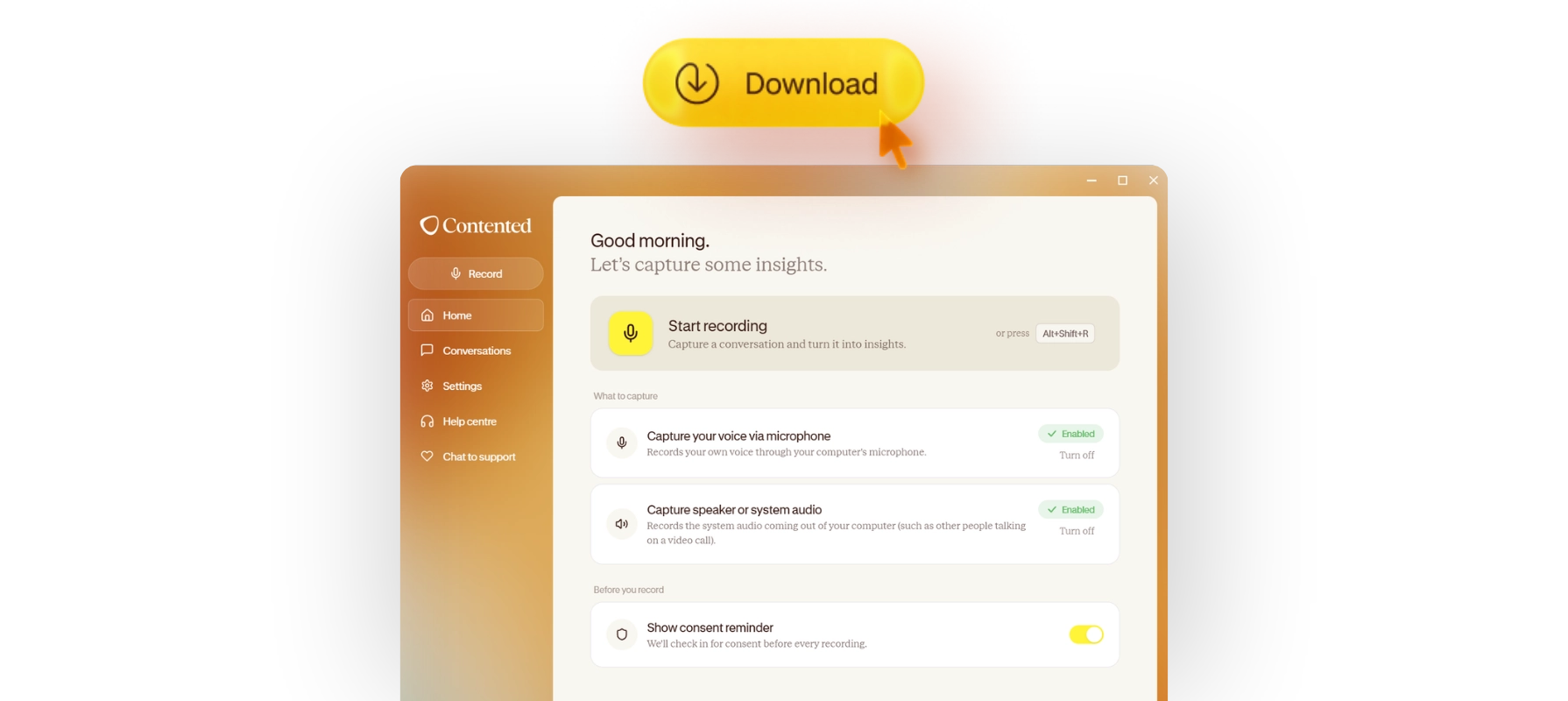
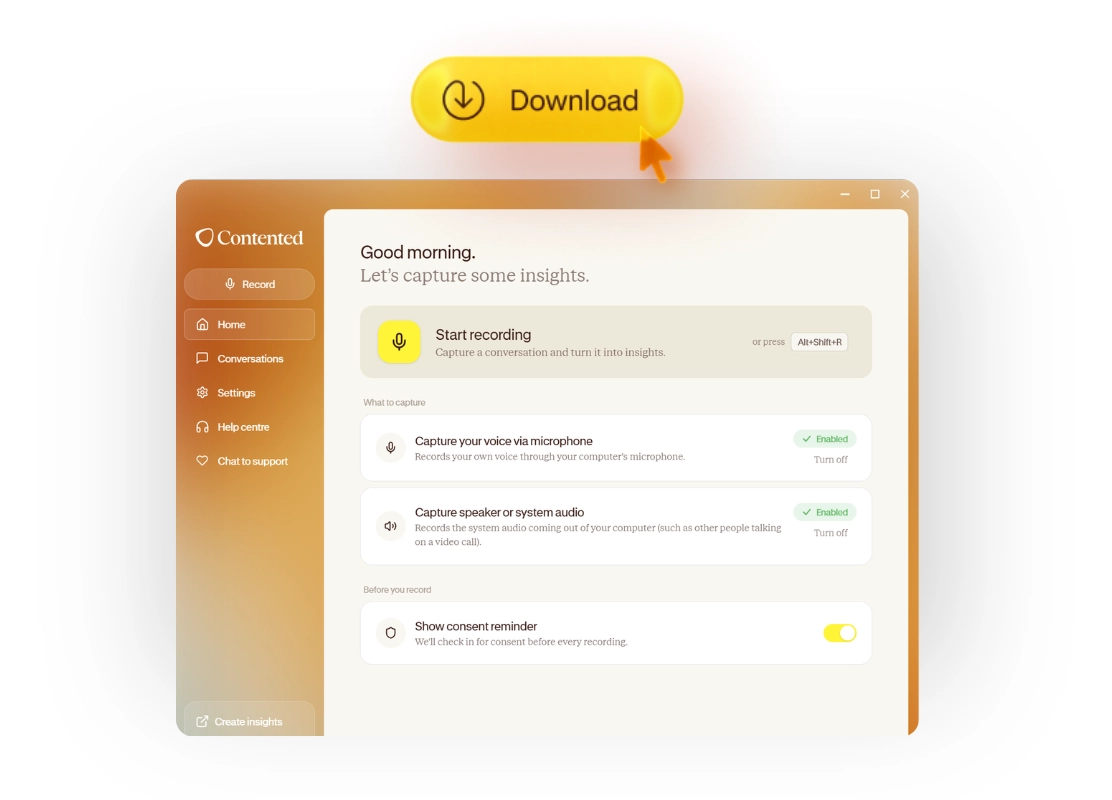
Record your client meeting in the Contented app, pick the vulnerability assessment template, and download a structured assessment document within minutes.
1. Record your conversation
Capture your client meeting in the Contented app. It's really useful for discovery sessions, annual reviews, family planning meetings, or check-in conversations.
2. Select the vulnerability assessment template
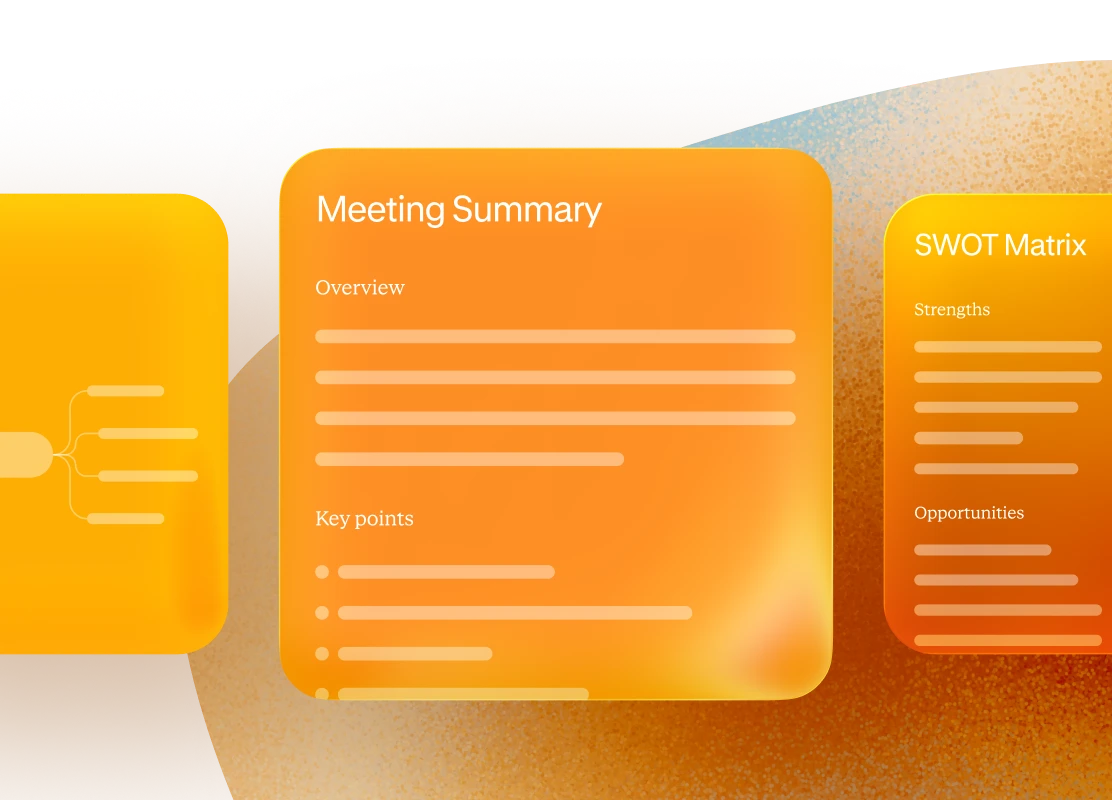
Choose vulnerability assessment from your Contented workspace. Contented works through the recording and produces the formal assessment document, scanning 13 vulnerability categories (or whatever is in your custom template, if you have one) and identifying any sub-categories where the conversation contains relevant indicators. Each flagged item is documented with direct transcript quotes, a severity rating, recommended actions, and monitoring requirements.
3. Review and export
Download as PDF or Word. File it on the client record, attach it to the compliance file, or share with the compliance team for sign-off.
Who uses a vulnerability assessment template?
Financial advisers, planners, banks, and other regulated providers who need to identify and document client vulnerability as part of their consumer duty and fair-treatment obligations.
What's in a vulnerability assessment template?
- Coverage across 13 vulnerability categories: circumstantial (bereavement, illness, financial stress, financial literacy); physical and sensory (hearing, vision, language, mobility); cognitive (dementia, depression, anxiety, learning disabilities); neurodiversity (ASD, ADHD, dyslexia); cultural and social (recent immigrants, indigenous communities, LGBTQ+); technology and digital (digital literacy, cyber security); AML/CFT risk factors (high net worth, geographic, occupational, PEP, adverse media, transactions); behavioural and financial red flags; age-related; substance use and addiction; family dynamics; trauma and stress; and employment and financial status (recent retirement, sudden wealth, insolvency).
- Three-state assessment against each sub-category: Yes (indicators present), No (assessed and not present), or Possible (worth monitoring even where no firm indicators emerged).
- Severity rating against any flagged vulnerability, so the adviser can prioritise the response.
- Direct transcript quotes against every flagged indicator, drawn from the recording.
- Recommended actions against each flagged vulnerability, tailored to the specific indicator rather than generic advice.
- Monitoring requirements for ongoing client management, including which items need formal review and which need everyday awareness.
- Transparency of categories not covered. Where the conversation didn't touch on a particular area, the template states this.
- Export-ready as PDF or Word, suitable for the client file, compliance record, or audit trail.
FAQs
Can we set data retention policies to meet our compliance requirements?
Yes. Contented supports user-configured retention policies, so your organisation can set specific timeframes for how long conversation data is held (for example, automatically deleting all recordings older than 90 days).
Is Contented suitable for compliance documentation?
Yes. Contented is used by financial advice firms, law firms, and accounting practices to produce compliant, audit-ready records from client meetings. Industry-specific templates are co-designed with practitioners and structured to meet documentation standards. Custom templates can be built to match your firm's exact compliance format.
Can we use our own document templates?
Yes, on team plans. We build custom templates that match your organisation's existing formats, branding and terminology. Every document Contented produces is then consistent with what your team already uses, regardless of who created it.